The Difference Between Food and Medicine

People often ask about dietary therapy. Some people regularly use medicinal herbs to make soups or cook porridge, calling it a way to “nourish and regulate the body.”
However, we should first understand an important principle in Traditional Chinese Medicine: food-based nourishment is preferable to medicinal supplementation.
Why are some plants classified as foods while others are considered medicinal substances? The answer is closely related to their inherent properties.
So, what is food? From the perspective of TCM, foods that are suitable for everyday consumption are relatively mild and balanced in nature. They generally have pleasant, sweet or aromatic flavours and can be easily digested and transformed into the energy and nourishment needed to support our daily activities. Their medicinal bias is minimal, making them suitable for regular consumption. Examples include rice, millet, corn, wheat and oats—the kinds of staple foods that can form part of our daily meals.
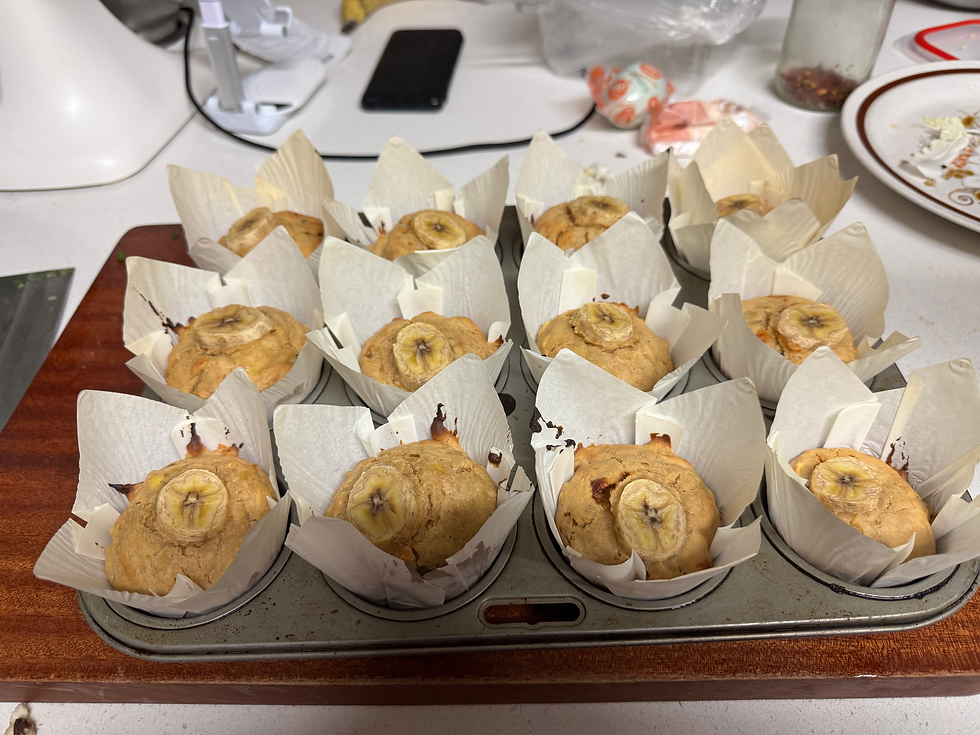
There is another category of foods that can be regarded as supportive or supplementary foods. These have a mild degree of medicinal bias, so they are not necessarily suitable to be consumed in large quantities every day over a long period. Their preparation methods and the season in which they are consumed should also be taken into consideration. This category includes various fruits, vegetables and meats.

Beyond these categories, substances with more pronounced properties fall increasingly into the realm of medicine. Some may be warming, while others are cooling; some are strongly dispersing, some excessively astringent or constraining, and others strongly descending. It is precisely these pronounced properties that allow medicinal substances to correct significant imbalances in the body.
In TCM theory, this pronounced medicinal bias is sometimes referred to as the “toxicity” of a medicinal substance. The stronger the bias, the stronger the medicinal effect is likely to be. However, it is precisely because these substances have such distinct properties that they can be used to correct significant imbalances in the body. When the imbalance is substantial, ordinary food alone may not be sufficient, and medicinal substances with stronger properties may be required.
Therefore, the idea that “herbal medicines are natural and therefore harmless, so they can be regularly used in soups, porridge or teas” is not necessarily correct. The reason medicines can influence the body is precisely because they possess specific properties. If we do not understand our own constitution or the properties of a medicinal substance, regularly consuming medicines as though they were ordinary food may also cause problems.
Even seemingly gentle forms of “food therapy” should ideally be based on an understanding of the individual’s condition. For example, ginger and brown sugar tea or goji berry tea may be appropriate for some people. However, for someone with a naturally heat-prone constitution, consuming these regularly over a long period may contribute to symptoms such as irritability, a sensation of internal heat, nosebleeds or increased sexual drive.
So, for ordinary people, a simple principle can be remembered:
When there are no obvious symptoms, focus on food. When symptoms arise, seek proper diagnosis first, and then decide whether medicinal treatment is appropriate.
Comments